Read · Lessons
Winter base training: what I got wrong after Ironman
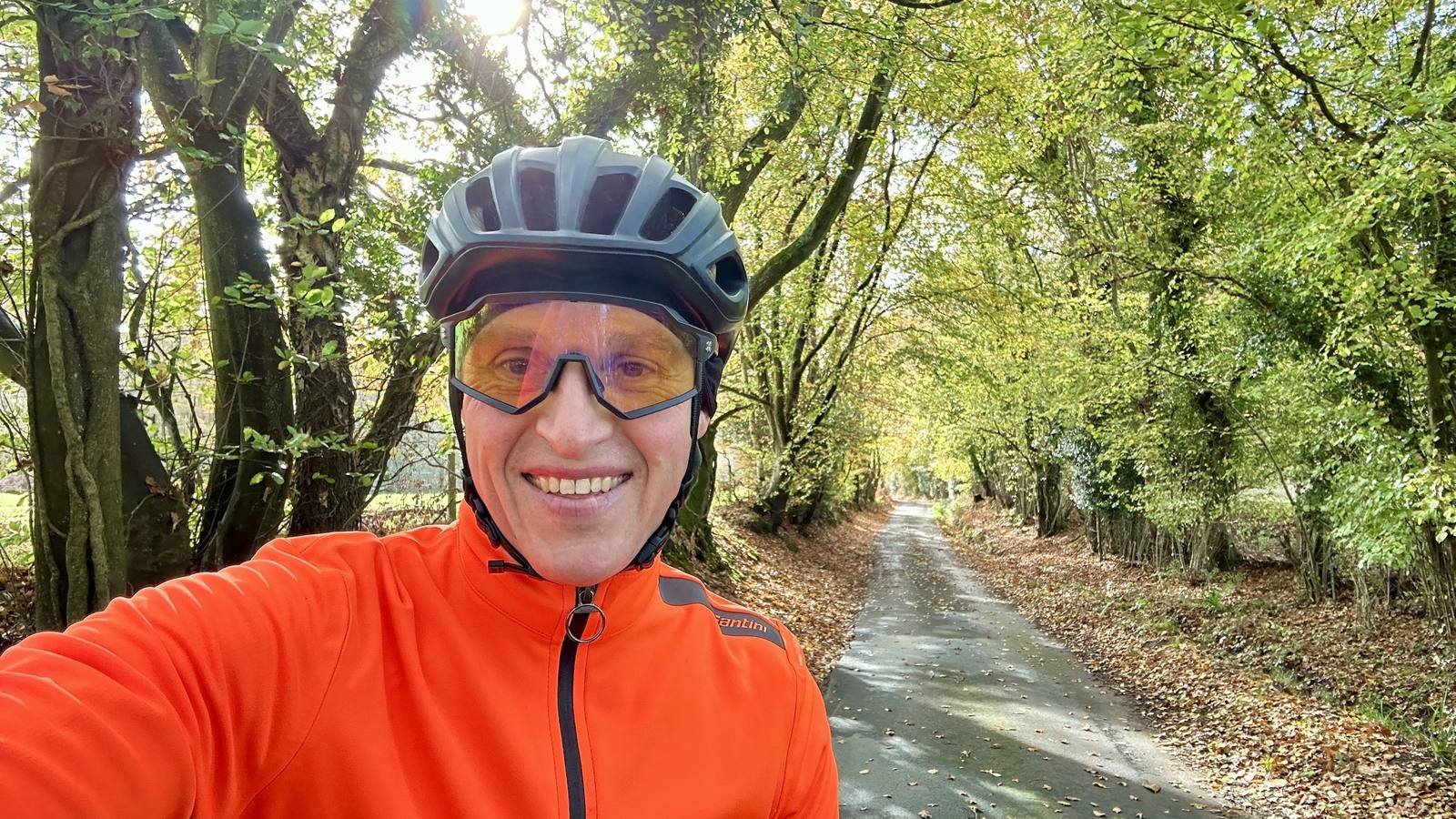
After an Ironman, the costly mistake usually isn't resting too long. It's coming back too fast. In autumn 2025 I took six days off, went straight into threshold and VO2 max work, and spent the next six months managing niggles and colds. My rules for this winter: rest properly, keep it easy and short, rebuild consistency before intensity, and treat small warning signs as signals.
The race, and the bike split that bugged me
Ironman Calella-Barcelona in early October 2025 was a good day. I was happy with my swim and my run. The bike was the exception: I under-performed, and at the time I put it down to the long drive the day before the race. Maybe it was. Looking back, it was also the first of several things I'd explain away.
I came home hungry to fix it. My plan was a reverse periodisation: lift the ceiling first with VO2 max and threshold work through the winter, carry that higher power into spring, then build volume on top. It had worked for me before, and led to some of my best bike form.
The plan wasn't the problem. The timing was.
Six days off, then straight back in
I took six days of complete rest. That was all I could manage before the itch won. One week to the day after the Ironman I rode for three hours.
The following week I swam twice, did two threshold bike sessions, a 3:30 long ride and a one-hour hilly off-road run. The week after that: a VO2 max bike session, another threshold session, another long ride, and speed work in the pool.
Written down, it looks like the second half of a race build. Two weeks after an Ironman.
The numbers said yes
The frustrating part is that it seemed to work. My bike power curve was climbing. I went back to my favourite 11 to 12 minute hill climb and set my second-best time ever.
Best power for each duration: Ironman build vs last winter
That kind of feedback is powerful. Every good number made the next hard session feel justified.
The body said otherwise
The warning signs came early, and I explained each one away.
- A sore plantar fascia within the first few weeks. I put it down to the hilly run on rough ground.
- A cold at the start of November, just over a month after the race. It didn't slow me down. I was enjoying the bike and feeling good in the pool.
- A heavier cold at the start of December. This time I took five days off. In hindsight I should have backed off in November, and made sure I was fully recovered in December.
- Tight hamstrings and a grumpy Achilles over Christmas. I "managed" them through January so I could build volume in February and March.
That became the pattern for the season: only just managing, staying on the right side of a longer-term injury. Because the numbers looked good, I trusted my experience and my sense of how to get the best out of myself. Too much, as it turned out.
Last winter: fitness held, pushed, then forced down
The reset
In mid-May I finally stopped and took a proper rest: three full weeks off. I made peace with letting some fitness go, because sustained, long-term performance comes from consistency, not ongoing heroics. Joel Filliol's podcast Don't be a January Champion had stuck with me, and I recognised a bit of myself in it.
The hardest part wasn't physical. I'd lost motivation, and I felt demoralised by what felt like bad luck, even though I knew full well I'd made my own situation difficult by being greedy in the autumn. How that turned around is a story for another post.
Why it's so easy to do
I don't think I'm unusual. Five things pull athletes back in too early after a big race.
- Unfinished business. A disappointing leg, like my bike split, makes the off-season feel like wasted time.
- Motivation is high and structure is gone. The race is over, the plan has ended, and the only guide is how keen you feel.
- The numbers reward you. Fitness from a full season is still there, so hard sessions go well. The bill comes later.
- Small signals are easy to explain away. A sore foot has a reason. A cold is just a cold. Each one alone looks harmless.
- October is inspiring. The Ironman World Championship lands just as most of us should be resting. I always come away from it fired up, and I did again this year watching Kona.
What winter base is actually for
Base isn't about being fit in December. It's about arriving at spring healthy and ready to absorb harder training. That means aerobic durability, technique, strength and, above all, consistency: weeks stacked on weeks without a break forced on you. The aim is to finish winter hungry, not hanging on.
Last winter vs this winter
| Area | Last winter | This winter |
|---|---|---|
| Rest after the race | Six days | Three weeks off structured training |
| First weeks back | Threshold, VO2 max and a 3:30 long ride | Zone 1 and 2 only, rides of two hours |
| Running | An hour off-road on hills | 30 to 40 minutes, flat, never more than 50 |
| Swimming | Speed work | Two swims a week, technique and drills |
| Warning signs | Managed around | A reason to back off |
| Watching Kona | Fuel to train harder | Excitement kept in check |
My rules for this winter
- Rest properly first. Three weeks off structured training, with only light exercise to keep the blood flowing.
- Easy and short to start. Zone 1 and 2 only. Rides of two hours at first, then two and a half to three.
- Consistency over heroics. Runs of 30 to 40 minutes to start, never more than 50 for now, and no hills.
- Swim for technique. Two swims a week, no more than 2 km, reps of 50 to 200 metres, with drills.
- Hold back the top end. No VO2 max or supra-threshold work, and careful with threshold.
- Look after the basics. Sleep, nutrition and diet get the attention the hard sessions used to.
- Keep it fun. Less indoor riding, more autumn outdoors, new run routes.
- Treat small signs as signals. A niggle or a cold is a reason to back off, not something to manage around.
These are my rules, not a prescription. Your age, history, goals and the rest of your life will point you somewhere different. What matters is listening to your body and making the choices that make sense for you.
None of this means giving up on the bike, or on ambition. I'm entered for Ironman Les Sables d'Olonne in 2027, and I've pre-qualified for the 2027 European Long Course Championships. Watching Kona this month had me itching to start. This time I'm keeping that excitement in check and playing the long game, so that I arrive at those races from a body that's ready for them.
Questions athletes ask
How long should you rest after an Ironman?
Longer than feels necessary. Six days wasn't enough for me. This year I'm taking three weeks away from structured training, with only light exercise to keep the blood flowing.
Is it bad to start hard training too soon after a race?
It can work in the short term, which is the trap. My power went up while colds and niggles stacked up, and I paid for it in spring with three weeks of forced rest.
What should winter base training look like?
Mostly Zone 1 and 2, short sessions to start, technique work in the pool, and no VO2 max work early on. The Zone 2 guide explains how to set your easy zone.
What are the warning signs of doing too much?
Repeated colds, niggles you keep managing, and sessions that feel harder than the numbers say. The guides to fitness, fatigue and form and HRV cover the signals worth tracking.